Innovative Wearable Devices for Monitoring Dementia Patients: Enhancing Elderly Care with Technology
Introduction to Wearable Technology in Dementia Care
Wearable devices have become essential tools for improving the monitoring and support of dementia patients. As dementia affects memory and cognitive function, these technologies provide continuous health tracking, safety alerts, and communication capabilities to enhance elderly care technology significantly.
With the global rise in Alzheimer's disease and related dementias, caregivers and healthcare professionals are leveraging advanced wearable solutions to meet the complex needs of patients. These devices bring real-time insights that help prevent wandering incidents, detect falls, and monitor vital signs remotely, thus expanding care possibilities beyond traditional settings.
Key Features of Innovative Wearables for Dementia Monitoring
Innovative wearable devices for dementia patients typically incorporate several core functionalities that support effective monitoring:
- GPS tracking: Enables real-time location monitoring to prevent wandering and quickly locate patients if they get lost.
- Vital signs monitoring: Tracks heart rate, blood pressure, oxygen saturation, and other health metrics critical for early detection of medical issues.
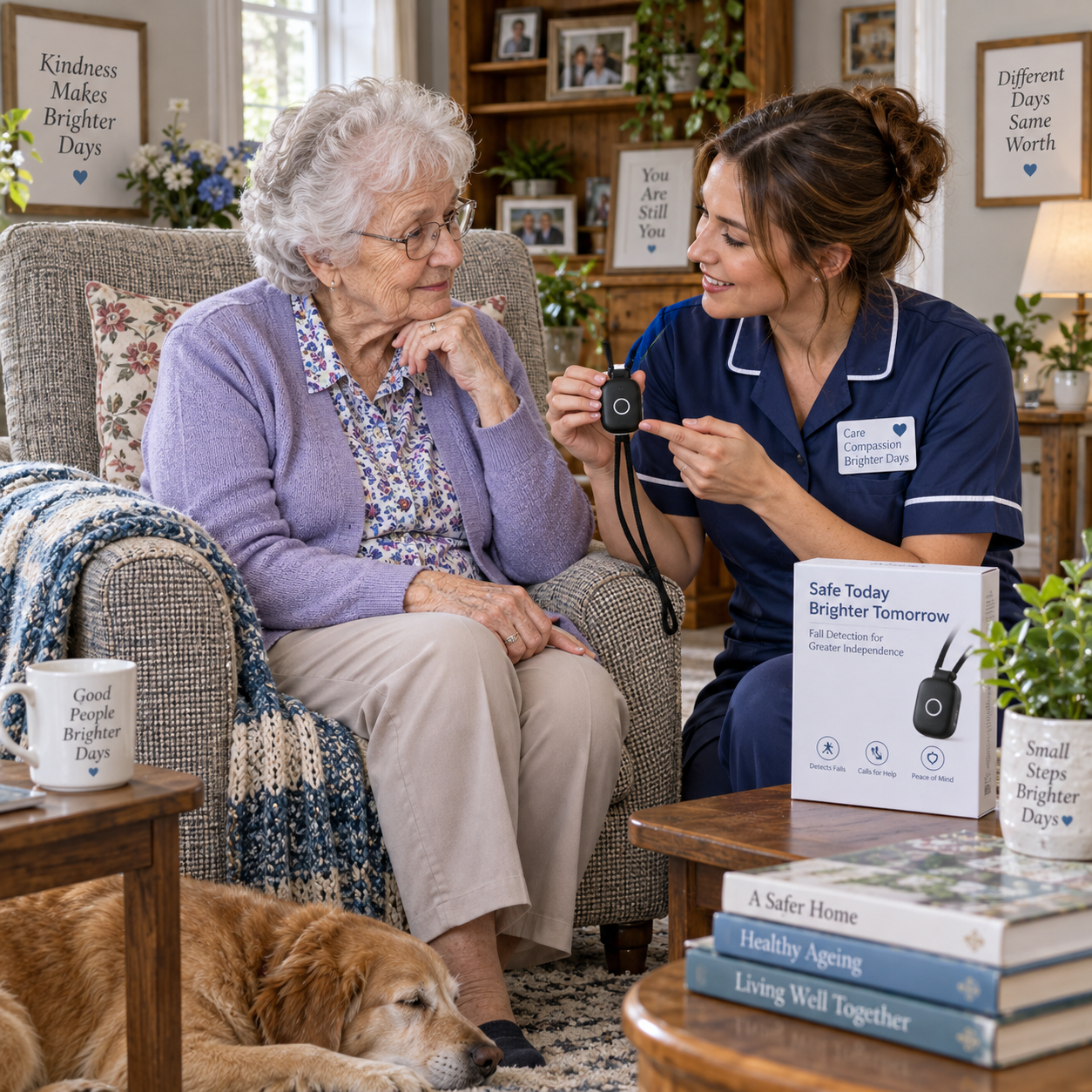
- Fall detection: Automatically senses falls through motion sensors and alerts caregivers instantly to reduce response times to accidents.
- Remote patient monitoring: Allows healthcare providers to access real-time data via secure platforms for continuous assessment and timely interventions.
- Caregiver communication tools: Integrated messaging and alert systems let caregivers stay connected and receive notifications directly from the devices.
These features combine to offer an effective, multi-dimensional approach to dementia monitoring, maximizing safety and health oversight while supporting patient independence.
Benefits of Wearable Devices for Patients and Caregivers
Wearable technology delivers tangible benefits for both dementia patients and those providing their care. The primary advantage lies in improved safety through continuous monitoring, which reduces risks associated with wandering and undetected falls.
For patients, wearables often mean greater independence by allowing them to move more freely while still being closely monitored. This empowerment can boost confidence and quality of life.
Caregivers experience enhanced peace of mind, knowing they can track the patient's location and vital signs remotely. Immediate alerts facilitate faster response during emergencies, potentially preventing serious complications.
Moreover, these devices enable more personalized care plans informed by comprehensive health data trends — a crucial benefit in managing progressive conditions like Alzheimer's disease.
Popular Types of Wearable Devices in Dementia Support
The dementia care market hosts several types of wearable devices tailored to different monitoring needs and patient preferences:
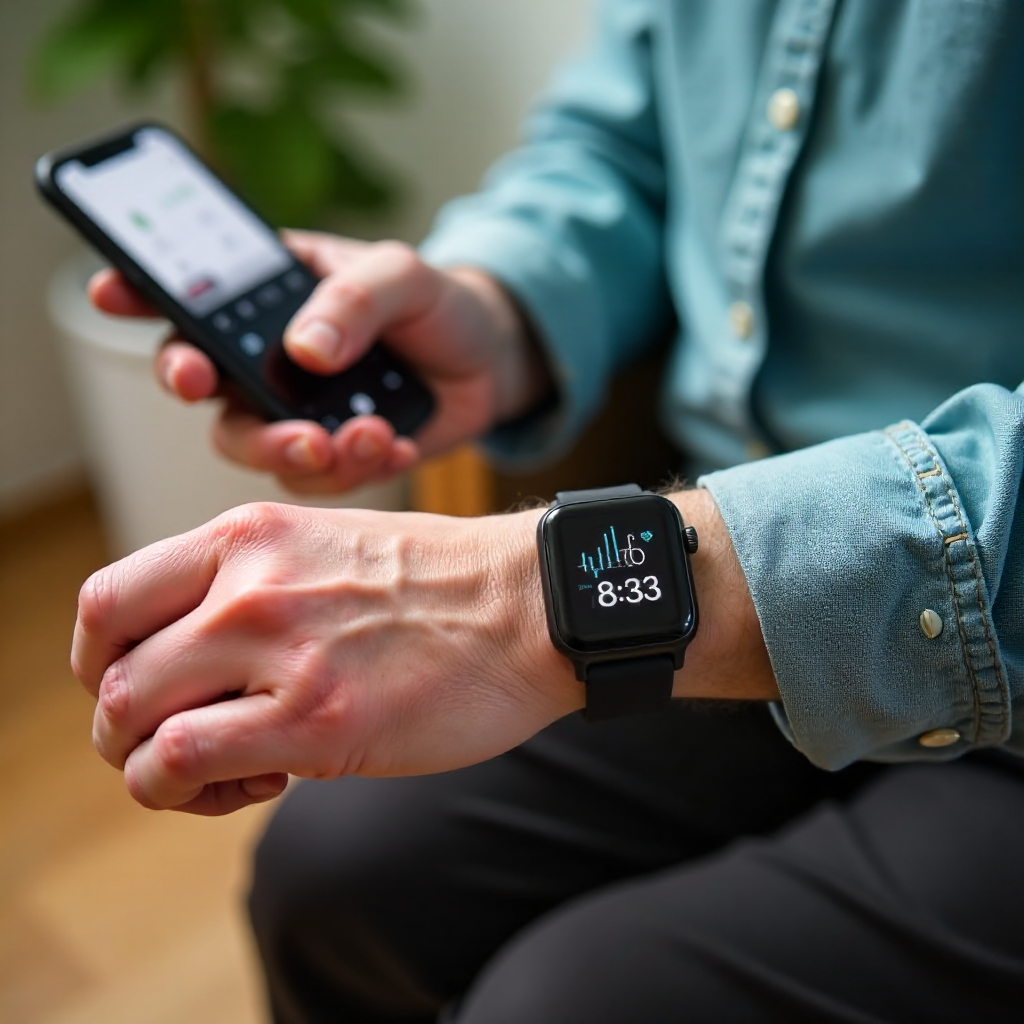
- Smartwatches: Equipped with GPS, fall detection, and health sensors, these versatile devices serve as all-in-one dementia monitors with user-friendly interfaces.
- GPS-only trackers: Small, lightweight devices designed primarily for location tracking, ideal for patients requiring minimal health monitoring but high safety oversight.
- Biosensors: Wearable patches or bands that continuously measure vital signs, often linked to remote patient monitoring dashboards for clinical review.
- Wearable pendants or bracelets: Simple devices focused on emergency alerts, enabling patients to request help easily if disoriented or in distress.
Choosing the right type depends on the patient's stage of dementia, comfort with technology, and specific care priorities. A combination of devices is sometimes employed to cover multiple aspects effectively.
Challenges and Limitations to Consider
Despite their promise, wearable devices for dementia patients face several challenges and limitations caregivers should recognize:
- User compliance: Elderly patients with cognitive impairment may resist wearing devices consistently, limiting effectiveness.
- Technical issues: Battery life, device durability, and connectivity disruptions can impair continuous monitoring reliability.
- Privacy and data security: Sensitive patient health and location data must be protected to comply with regulations and maintain trust.
- False alarms: Over-sensitive sensors may generate unnecessary alerts, causing caregiver fatigue or anxiety.
- Cost and accessibility: Advanced wearables may pose financial barriers or require infrastructure not available in all care environments.
Balancing these limitations while leveraging benefits requires thoughtful device selection, caregiver training, and patient engagement strategies.
Best Practices for Implementing Wearables in Dementia Care
Successfully integrating wearable devices into dementia care routines involves deliberate planning and support:
- Choose user-friendly devices: Select wearables with simple interfaces and ergonomic designs suited to elderly patients' comfort.
- Ensure proper setup and training: Caregivers and patients should receive straightforward instructions for device use and troubleshooting.
- Regularly review data and alerts: Establish protocols for monitoring information flow and responding to notifications promptly.
- Address privacy concerns: Use devices compliant with healthcare data protection standards (such as HIPAA) and inform users about data handling.
- Customize monitoring parameters: Tailor alert thresholds and tracking features to individual patient conditions to reduce false alarms.
- Maintain device maintenance: Schedule regular charging, software updates, and hardware checks to ensure reliability.
These steps reinforce the reliability of wearable technology as a powerful extension of traditional dementia care.
Future Trends and Innovations in Dementia Wearable Technology
The future of wearable devices for dementia monitoring is poised for exciting advancements, driven by cutting-edge technology and ongoing research:
- AI-powered predictive analytics: Integration of artificial intelligence to analyze patterns in vital signs and behavior could predict medical emergencies early.
- Multi-sensor fusion: Combining data from movement, sleep, and physiological sensors to create holistic patient health profiles.
- Improved biometric security: Use of biometric authentication to safeguard patient identity and data privacy.
- Enhanced battery technology: Longer-lasting power sources will reduce interruptions and maintenance burdens.
- Telehealth integration: Seamless interfaces between wearable devices and telemedicine platforms for remote consultations and care coordination.
These trends promise to deepen the capabilities of wearable devices in delivering personalized, proactive dementia care.
Frequently Asked Questions
How accurate are wearable devices for dementia monitoring?
Wearable devices offer reasonably accurate tracking of location, vital signs, and falls, though accuracy varies based on device quality and environmental factors. GPS trackers generally provide location certainty within a few meters, while health sensors meet clinical-grade standards. However, certain limitations like signal interference or user movement can cause occasional inaccuracies.
Are wearable devices safe for elderly patients with dementia?
When selected and used properly, wearable devices are safe and non-invasive for elderly dementia patients. Comfort-focused design reduces irritation, and devices undergo safety testing to minimize risks. Still, some patients may initially resist wearing them due to confusion or sensory sensitivity, which requires gentle encouragement and familiarization.
What features should caregivers look for in a wearable device?
Caregivers should prioritize features such as GPS tracking for location safety, fall detection for emergencies, vital signs monitoring for health insights, remote communication for caregiver alerts, and strong data privacy protections. Ease of use and reliable battery life are also critical for seamless daily operation.
Can wearables help prevent wandering incidents?
Yes, GPS-enabled wearable devices significantly reduce wandering risks by providing real-time location tracking and geofencing alerts when patients leave predefined safe zones. This immediate notification allows caregivers to intervene swiftly, preventing potentially dangerous situations.
How is patient data protected in wearable dementia monitors?
Data protection is ensured through end-to-end encryption, secure cloud storage platforms compliant with healthcare regulations (such as HIPAA in the U.S.), and strict access controls limiting data visibility to authorized caregivers and clinicians. Reputable device manufacturers publish privacy policies and often undergo third-party security audits to uphold data integrity.
Wearable devices tailored for dementia patients are reshaping elderly care technology by bridging safety, health monitoring, and caregiver communication in real time. While challenges such as user compliance and privacy exist, adopting best practices helps caregivers harness these innovations to enhance patient wellbeing and independence. Remain attentive to emerging trends as AI and sensor fusion further evolve this crucial sector.