Smart Home Technologies for Elderly Safety and Independence
Introduction to Smart Home Technologies in Elderly Care
Smart home technology plays an increasingly vital role in supporting elderly individuals to live safely and independently in their own homes. These innovations specifically address common challenges faced by seniors, especially those with dementia, enabling aging in place while providing peace of mind for families and caregivers. From sensor-driven alerts to personalized automation, smart home devices empower seniors by enhancing safety, convenience, and cognitive support.
The combination of evolving technologies and accessible devices is transforming elderly care beyond traditional methods, fostering not only well-being but also dignity and autonomy. As the global population ages, integrating smart systems into homes becomes an essential strategy for improving quality of life.
Key Features of Smart Home Devices for Elderly Safety
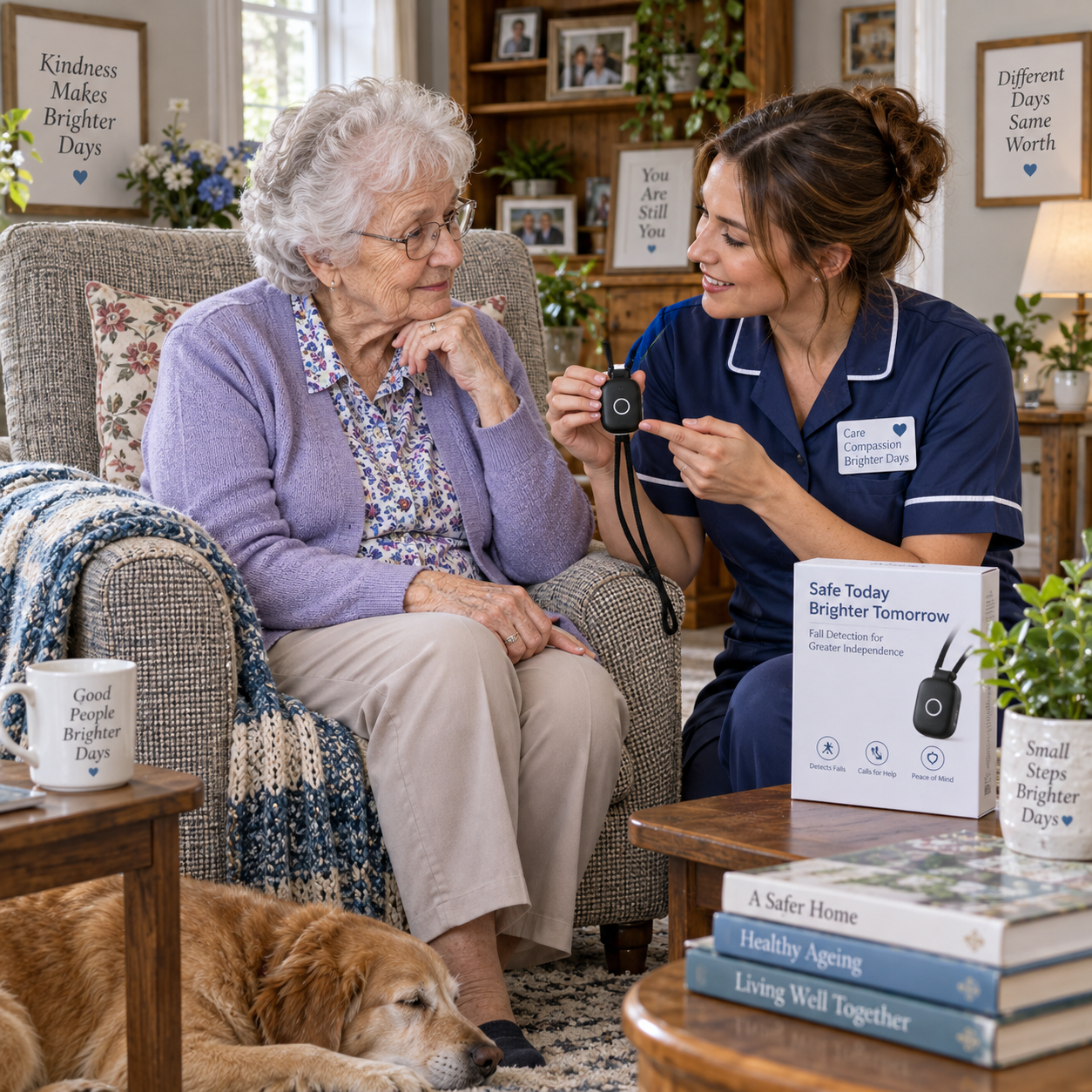
Smart home devices designed for elderly safety typically include features like fall detection, emergency alert systems, and automated sensors that monitor the living environment. These technologies automatically detect critical events such as falls or unusual inactivity and instantly alert caregivers or emergency services, reducing response times and mitigating risks.
Fall detection systems use accelerometers and motion sensors to recognize sudden movements or impacts indicating a fall. When triggered, these systems send immediate notifications to family members or healthcare providers.
Emergency alert systems often come with wearable pendants or wristbands, allowing seniors to call for help easily. Combined with smart home hubs, these alerts can include precise location data within the house.
Automated lighting and sensor networks improve safety by illuminating pathways during night-time or when movement is detected, thus preventing trips and falls. Sensors also monitor door openings, stove usage, or water leaks to alert in case of potentially hazardous situations.
Supporting Independence through Automation and Reminders
Automation and reminder systems facilitate seniors’ independence by managing daily routines and reducing cognitive load. Voice-activated assistants and medication reminder systems help elderly individuals stay organized and self-sufficient.
Medication reminder systems provide timely alerts through audio or visual notifications, ensuring seniors take medicines as prescribed. These systems can be integrated with smart pill dispensers that release correct doses automatically.
Voice-activated assistants like Amazon Alexa or Google Assistant allow users to control lighting, appliances, and thermostats with simple voice commands, eliminating the need to navigate complex interfaces.
Automation extends to tasks such as opening curtains at set times, adjusting home temperature, or locking doors remotely. These features minimize reliance on physical mobility and enhance everyday convenience.
Specialized Technologies for Dementia Support
Smart home technologies addressing dementia focus on memory support, wandering prevention, and cognitive assistance to enhance safety and quality of life. These devices are tailored to the unique challenges posed by memory loss and disorientation.
Wandering prevention systems use GPS trackers and door sensors to notify caregivers if an individual attempts to leave the home unsupervised, vital for minimizing dangerous situations.
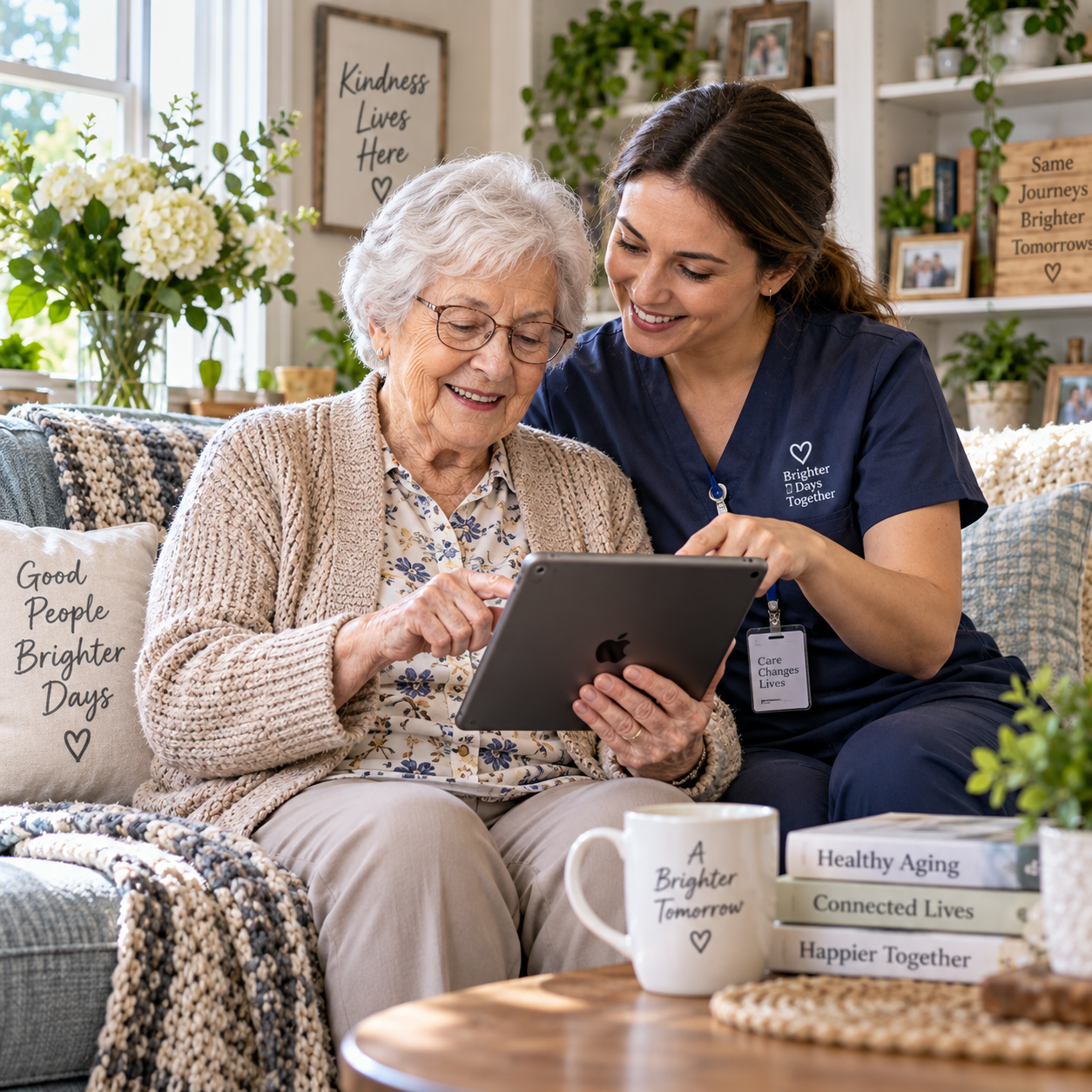
Cognitive assistance devices include simplified tablets or smart displays with reminders for appointments, meals, or hydration, offering gentle prompts that compensate for memory gaps.
Some systems integrate with fall detection and emergency alerts, creating a comprehensive safety net for seniors with dementia by continuously monitoring behavior and environment without being intrusive.
Benefits for Caregivers and Family Members
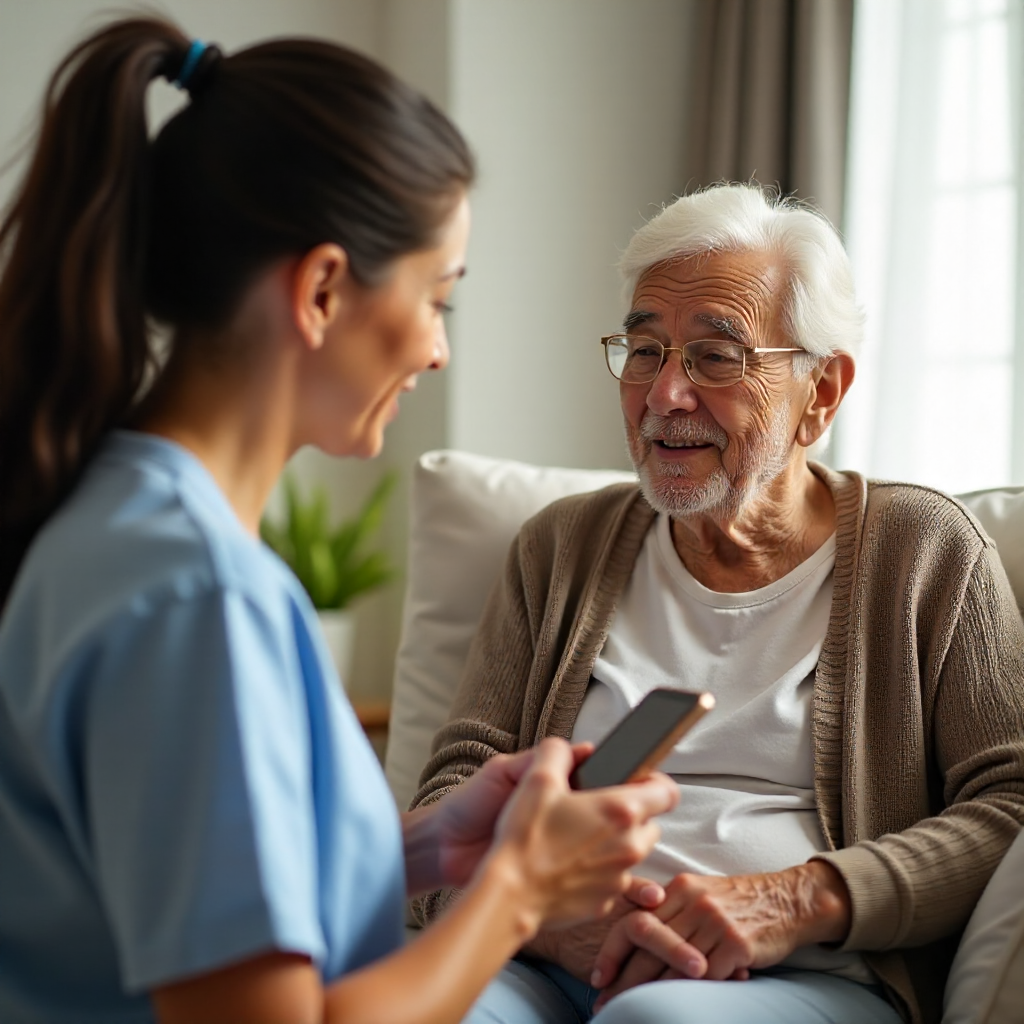
Remote monitoring and communication features in smart home technologies significantly ease the burden on caregivers while improving elderly person’s safety. These systems allow families to stay connected and informed without compromising the senior’s independence.
Through smartphone apps or web portals, caregivers can check real-time data such as activity patterns, medication adherence, and security alerts. This remote insight enables timely interventions when necessary.
Additionally, two-way communication devices embedded in emergency systems or voice assistants foster interaction, preventing social isolation and providing reassurance for both parties.
The combination of remote monitoring and automated alerts reduces anxiety among family members and enables proactive care management, often preventing emergency hospitalizations.
Choosing and Implementing Smart Home Solutions
Selecting the right smart home technology requires assessing individual needs, cognitive abilities, and home environment. Start by identifying the key safety and independence challenges the elderly person faces.
Opt for devices that offer user-friendly interfaces and require minimal maintenance, which is crucial for adoption. Prioritize systems that integrate easily, allowing multiple devices to work together through a centralized hub or smartphone app.
Professional installation might be necessary for complex sensor networks, but many products are designed for simple DIY setup. Ensure compatibility with the senior’s existing internet infrastructure and consider backup power options.
Training both seniors and caregivers on device operation enhances success rates. Regularly review and update the technology setup to adapt to changing health status or lifestyle.
Future Trends in Elderly Care Technology
The future of elderly care technology points to increased personalization through artificial intelligence and machine learning, enabling systems to learn behavior patterns and predict risks before incidents occur. Advanced biometrics and wearable integration will further refine health monitoring in real time.
Robotics and companion devices are emerging to offer not only physical assistance but also emotional support, helping to combat loneliness.
Greater interoperability between devices, improved privacy protections, and affordability will also drive broader adoption. These innovations promise safer, more autonomous living for seniors with less caregiver strain.
Frequently Asked Questions
What are the most essential smart home devices for elderly safety?
Essential devices include fall detection systems, emergency alert pendants, automated lighting, and sensor networks that monitor movement and hazards. Together, they form a robust safety framework within the home.
How do smart home technologies support people with dementia?
These technologies provide memory aids, wandering alerts, and cognitive reminders that compensate for memory loss and confusion. Systems tailored for dementia improve safety while enhancing independence.
Can smart home systems be customized for individual needs?
Yes, most smart home solutions are modular and customizable. Families can select specific devices and configure alerts to match health conditions, lifestyle, and living arrangements.
Are these technologies easy for elderly users to operate?
Modern devices focus on simplicity with voice commands, large buttons, or automated functions, minimizing user effort. Training and caregiver assistance further smooth the adaptation process.
What should families consider before installing these systems?
Key considerations include assessing safety priorities, ensuring reliable internet connectivity, evaluating user capabilities, and balancing privacy concerns. Consulting with healthcare professionals can also guide optimal choices.
For more detailed guidance on aging in place technologies, authoritative sources like the National Institute on Aging offer extensive resources.